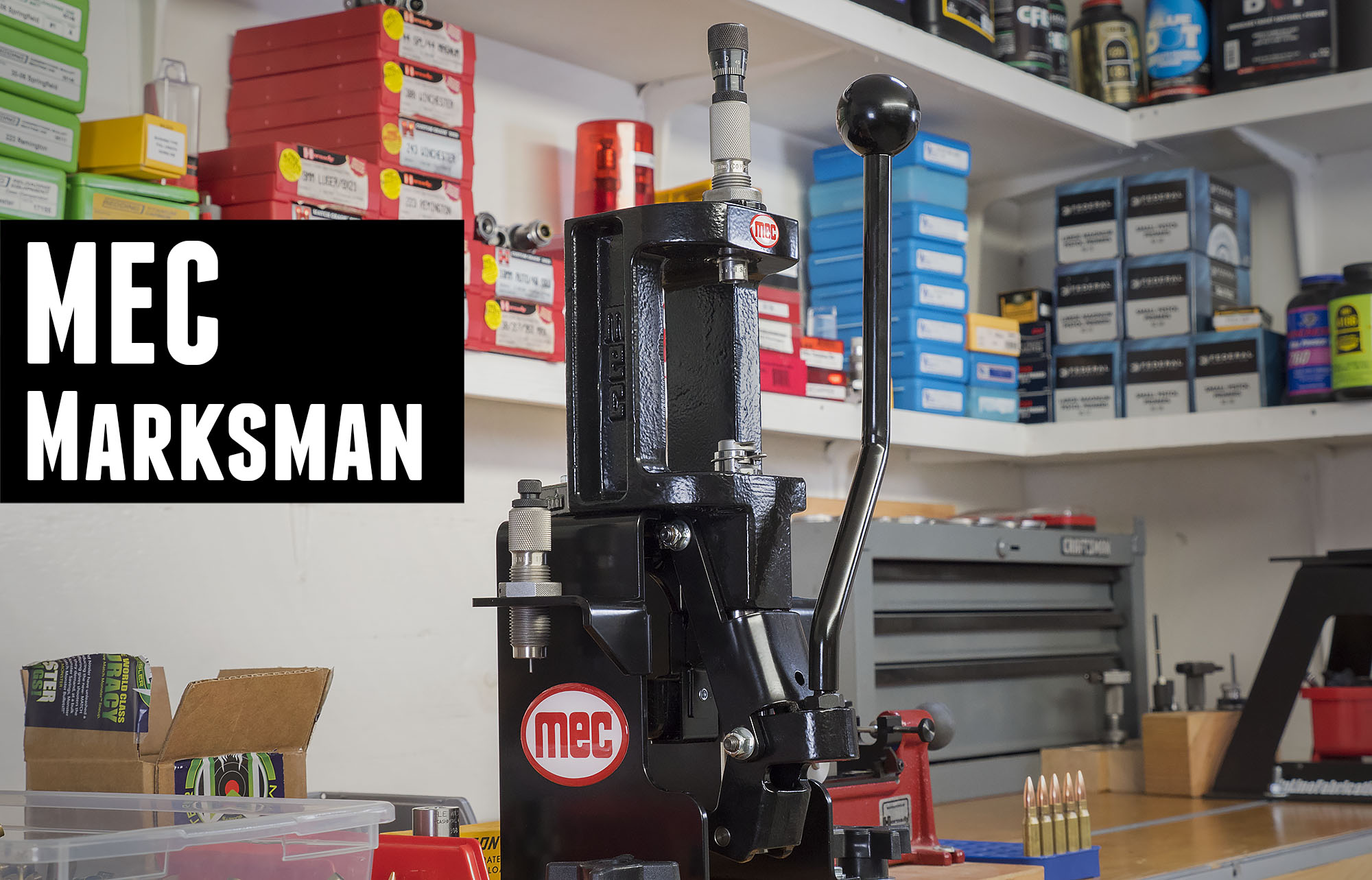
We were impressed when we first saw the new MEC Marksman press. Created by the makers of the popular MEC shotshell reloading systems, the new Marksman combines a sturdy cast-iron frame with a modern open-front design. With a $225.00 MSRP it is more expensive than an RCBS Rock Chucker, but it offers some distinct advantages — such as the open front plus a floating shell-holder system.
Our friend Gavin Gear got his hands on a MEC Marksman press and put it through its paces. He came away impressed with the product, saying it delivers excellent performance, and has many impressive features. Gavin tells us: “Cast iron tools and machines are a lifetime investment. The made-in-USA MEC Marksman features ductile cast-iron construction, an open-front frame design for easy cartridge access, a new floating shell-holder design with a unique retention system, and ambidextrous handle setup.”
Gavin liked the Marksman’s system for holding spent primers. A tray sits behind the ram to catch spent primers exiting from a hole near the bottom of the ram. This is more foolproof than the plastic primer cups on some other single-stage presses. Expect less spent primer “spillage”.
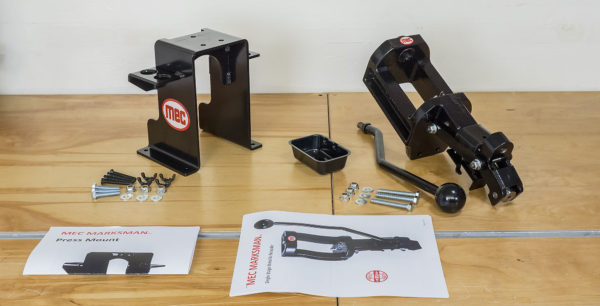
The Marksman is sold as a stand-alone unit. However MEC also offers a very nice steel mount/riser for the Marksman. Gavin tested the Marksman with this riser, and he says it was sturdy and well-built. Gavin liked the riser. He said that elevating the Markman press up above the benchtop made it easier to handle cases and to operate the handle. You also get extra left- and right-side die-holders.
Do you have some old, tired brass that needs a thorough cleaning — inside and out? Consider using an ultrasonic cleaning machine. When used with the proper solution, a good ultrasonic cleaning machine can quickly remove remove dust, carbon, oil, and powder residue from your cartridge brass. The ultrasonic process will clean the inside of the cases, and even the primer pockets. Tumbling works well too, but for really dirty brass, ultrasonic cleaning may be a wise choice.
Our friend Gavin Gear recently put an RCBS Ultrasonic cleaning machine through its paces using RCBS Ultrasonic Case Cleaning Solution (RCBS #87058). To provide a real challenge, Gavin used some very dull and greasy milsurp brass: “I bought a huge lot of military once-fired 7.52x51mm brass (fired in a machine gun) that I’ve been slowly prepping for my DPMS LR-308B AR-10 style rifle. Some of this brass was fully prepped (sized/de-primed, trimmed, case mouths chamfered, primer pockets reamed) but it was gunked up with lube and looking dingy.”
UltimateReloader.com Case Cleaning Video (7.5 minutes):
Gavin describes the cleaning exercise step-by-step on UltimateReloader.com. Read Gavin’s Cartridge Cleaning Article to learn how he mixed the solution, activated the heater, and cycled the machine for 30 minutes. As you can see in the video above, the results were impressive. If you have never cleaned brass with ultrasound before, you should definitely watch Gavin’s 7.5-minute video — it provides many useful tips and shows the cleaning operation in progress from start to finish.
Ultra Dry Necks After Ultrasonic Cleaning — Some Suggestions
The Ultrasonic cleaning process gets cartridge brass so “squeaky clean” that increased force may be required to seat your bullets, or they may “grab” as they go in the necks. To reduce bullet-seating effort, you may benefit from adding a little dry case lube inside the case-neck before loading (use a nylon brush). Another trick is adding a teaspoon of Ballistol lube to the cleaning solution. That provides a trace lubricant inside the necks, but does not interfere with powder ignition in any way.
The RCBS ultrasonic cleaning machine features a large 3-liter capacity, 60 watt transducer, and 100 watt ceramic heater. The RCBS ultrasonic machine can be found under $140.00, and this unit qualifies for RCBS Rebates ($10 off $50 purchase or $50 off $300.00 purchase). RCBS also sells 32 oz. bottles of cleaning concentrate that will make up to 10 gallons of Ultrasonic Solution.
Gavin Gear of UltimateReloader.com recently reviewed Lee Precision’s new lever-operated, bench-mounted priming tool. The Lee Auto Bench Prime features a hopper-style primer feeder set at an angle. Gavin likes the tool, reporting that primers feed well and seat fully with very little effort. And switching from large to small primer size (or vice-versa) is quick and easy. Overall, Gavin says the Lee Auto Bench Prime has earned a place in his reloading room: “This is now my tool of choice for off-press priming. The Lee Auto Bench Prime is easier to use than a hand priming tool, and more efficient.”
Watch UltimateReloader.com’s Lee Auto Bench Prime Gear Review
Gavin tells us that the system worked well: “All in all, I’m really liking the LEE Auto Bench Prime. In the video, I prime both small primer .223 Rem brass and large primer .308 Win cases. I was impressed with how easy it was to seat the primers, and how quickly the process goes.”
How the Lee Auto Bench Prime Performs
Gavin had three important “take-aways” from his initial loading sessions with the Lee Auto Bench Prime:
1. I was surprised by the low effort needed to prime cases — it’s pretty amazing.
2. You can quickly and easily install shellholders and change primer sizes.
3. The folding primer tray works very well. It’s a great setup from my testing so far.
Are there any negatives with the tool? Gavin noted that, in the course of loading 100+ rounds, once or twice he had to tap the triangular tray to get the primer to feed: “That’s not a big deal, and may smooth out with time”.
Tool Costs Under $30.00
Available at Grafs.com for just $28.59, the Lee Auto Bench Prime tool is very affordable. It costs much less than competitive bench-mounted priming tools from Forster and RCBS.
NOTE: this tool requires dedicated Auto Prime shell holders (sold separately), but that’s a relatively small added expense. A set of Lee shell-holders (shown at right) costs less than $20.00 (street price).
Planning to put together an AR-platform rifle? Or are you looking to upgrade your AR with a new barrel, stock, or trigger group? Then you should check out the AR-15 Rifle Build DVD from our friends at UltimateReloader.com. This DVD covers all the details of a custom build, using high-resolution video sequences, and helpful supporting graphics.
In this DVD, Gavin Gear guides you through the entire process including selecting components, acquiring and using the necessary tools, assembly steps and details for each component, and even mounting a scope. Building an AR-15 can be overwhelming, but with the right guidance and help it’s not difficult and is a lot of fun. With this DVD you’ll be able to build your AR-15 with confidence.
Right now, as a New Year’s promotion, the AR-15 Build DVD is on sale for just $9.90 (plus $3.80 shipping/handling). This DVD can pay for itself many times over by showing you how to do your own gunsmithing (and get quality AR components at attractive prices).
Our friend Gavin Gear of UltimateReloader.com got his hands on Hornady’s all-new, pyramid-style Lock-N-Load Iron reloading press. This single-stage press features a unique, open-front design that makes it easier to place and remove cases during reloading processes. The compact footprint of this Iron Press also allows for a variety of placement options.
This video shows the new open-front Hornady Iron Press:
Gavin installed the Iron Press on his bench which features horizontal metal channels (for placement flexibility). Gavin reports: “The arrival of this press is great in its timing. I’m just about to move from progressive loading of 6.5 Creedmoor (for the Ruger Precision Rifle) to single-stage precision reloading. This will be the perfect press for that task! Based on the feedback and questions I’ve gotten recently, I’ll compare the consistency between progressive presses and single-stage presses.”
To raise the Iron Press higher, Gavin used an Ultramount from Inline Fabrication: “I was hoping to make slight modifications to the Ultramount in order to adapt it for use with my Ultimate Reloader bench system, and that worked out just fine! Here’s a picture of the Ultramount bolted down: I can easily slide it side to side to make room for other items on my bench.” NOTE: After taking the pictures shown here, Gavin rotated the Ultramount 180 degrees. This moved the whole press forward (towards the operator), providing more bench clearance for the Iron Press linkage and handle.
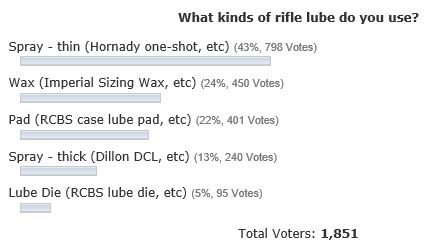
What kind of case lubricant do you use. If you’re like most hand-loaders, you prefer some kind of thin, spray-on lube. Our friend Gavin Gear of UltimateReloader.com surveyed his readers, with the results displayed in the chart below. Thin spray-type lubes took the top spot, followed by waxy-type lubes.* CLICK HERE to Vote in the Case Lube Poll.
Gavin explains: “Over the years, I’ve talked quite a bit about different case lube products and techniques for both rifle and pistol reloading. Depending on your goals, the cartridge being reloaded, and what you have on-hand, your options will typically be honed down to a few ‘best options’. But the more you talk with seasoned reloaders, the more options you’ll discover.”
Synthetic Motor Oil for Special Tasks
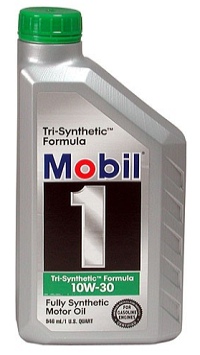
One new lubrication option Gavin has tried is synthetic motor oil “I’ve started using another product for rifle case lube: synthetic motor oil. In particular, I’ve been using this oil to ‘prime’ rifle sizing dies when starting a loading session. This priming combined with fresh spray lube (Dillon DCL recently) has been a good combination for .223/5.56 and .308/7.62x51mm loading sessions.
I just pour a bit of synthetic motor oil into the quart jug cap, dip my finger into the cap, and apply about one drop to the outside of the case with my fingers. I then dip the end of a Q-Tip into the oil cap (just a drop applied), and roll the end of the Q-Tip between my fingers. The Q-Tip is then ‘rolled’ inside the case mouth to provide lube for the expander ball. I’m wondering how many thousands of applications I could get out of one quart of motor oil!
*This Editor’s own perference follow this ranking. For regular case-sizing with benchrest cases (and close-fitting dies), I use Ballistol aerosol (active ingredient is mineral oil). Not chalky or gummy, Ballistol is very, very slippery. A thin sheen lubricates extremely well yet wipes off easily. For heavy case-forming duties I use Imperial Die Wax.
Clean and Lube
One advantage of Ballistol is that, wiped on a patch, it will remove carbon residue from case necks. That way you can clean and lube your case in one step before running your case into the Full-length sizing dies. Just spray a little on a cotton patch. After cleaning the case-neck flip the patch over and lube the case body.
What do you hope Santa delivers this Christmas? Our friend Gavin Gear over at UltimateReloader.com has some gift ideas that hand-loaders can add to their “wish lists”.
Special Tools — My Dad used to say: “You’ve got to use the right tool for the job”. I agree, and some times that means having a collection of special tools. There’s nothing more satisfying to me than the efficiency, effectiveness, and precision of having the right tool.
Here are some of my most frequently used “reloading special tools”:
General Items — There is no shortage of “reloading things” to ask for. Here are some additional ideas:
▶ Extra 6″ Digital Calipers (good idea to have spare calipers)
▶ Industrial Ziplock Plastic Bags (for brass storage)
▶ Tumbling Media (pet stores have ground walnut shells)
▶ Reloading Manuals
▶ Ammo Boxes (bulk styrofoam with cardboard boxes are great.)
▶ Digital Scale for sorting bullets and brass (jeweler’s scales from Amazon will work)
There’s some ideas for you. Get your “wish lists” sent off while there’s still time for your presents to get ordered and shipped!
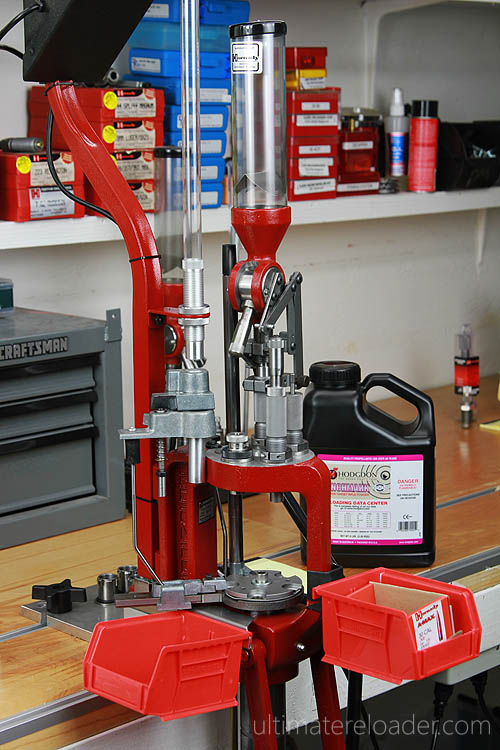
When you need ammo fast — lots of ammo, it’s hard to beat a progressive reloading press for output. We use progressive presses to load handgun ammo and .223 Rem cartridges for varmint safaris. With good dies, and proper press set-up, today’s progressive presses can produce surprisingly uniform and accurate ammo. No, you won’t see Benchrest Hall-of-Famers loading PPC cartridges on progressives. However, if you need 1000 rounds for your next prairie dog adventure, you should consider getting a progressive. Below you can see a Hornady Lock-N-Load AP configured to load .308 Winchester in bulk.
UltimateReloader.com has published helpful Tips to Optimize Progressive Rifle Loading. No matter whether you have a Red (Hornady), Green (RCBS), or Blue (Dillon) progressive, this article can help you load more efficiently and produce better results. Here are some highlights:
Proper Brass Prep
Just like a good paint job requires good prep work, great rifle ammo requires good brass prep. In order to make sure your rifle loading goes smoothly, make sure to perform the following brass prep steps:
Clean the brass (tumble, ultrasonic, etc.)
Inspect brass for cracks, deep dents, etc.
For military brass: de-prime, ream/swage primer pockets, size with small-base sizer die (small base usually optional).
Measure brass length — if too long, size and then trim.
Final inspection before loading.
Cleaning primer pockets may be something you’ll consider (I don’t clean primer pockets except for rare cases or match ammo).
Smooth and Steady Pace
Since you’re loading rifle ammunition on a progressive, you’re already saving a load of time, so there’s no need to rush things! Attention to detail is super-important for safety and for good results. Always keep an eye on powder level (goes down FAST) and what’s happening at each station.
The Right Press and Press Setup
Look for a heavy-duty, well-built press that will stand up to rifle loading. You’ll also want to make sure your powder measure will have the proper capacity (~25 grains for .223, ~50 grains for 308). If you are bulk reloading, ensure you have enough stations for sizing, charging, powder check, bullet feed, bullet seating, and (optional) bullet crimp.
More Ultimate Reloader Resources for Users of Progressive Presses:







 Synthetic Motor Oil for Special Tasks