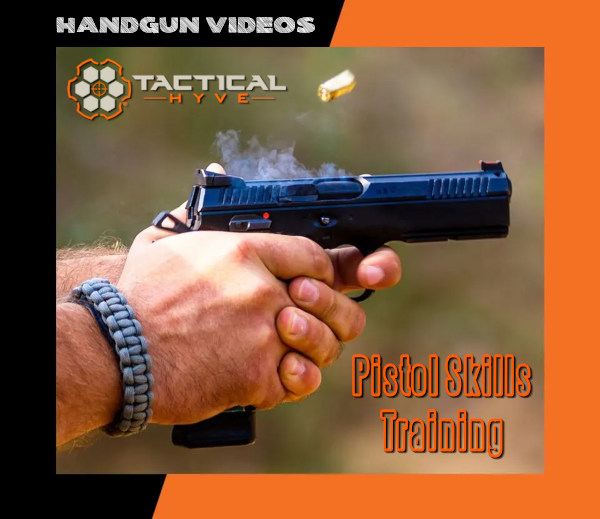
The Tactical Hyve YouTube channel currently hosts over 1,100 videos! Here are three of our favorite Tactical Hyve videos focusing on pistol marksmanship. These videos cover basic essential techniques as well as advanced handgun skills used in competition. These videos feature highly-skilled handgun experts.
1. How to Aim a Pistol with Iron Sights or Red Dot
We recommend this video for persons training for a CCW permit, or who are getting started in pistol shooting competition. The video shows proper technique for using iron sights. In addition, it offers some important advice for shooting with Red Dots. Shooting with Red Dot sights can be easier than with iron sights because you only have to put the dot on the target, rather than align front blade with rear notch. But it does take some familiarization to get things right. And persons with astigmatism can have challenges with Red Dot sights.
2. Get Your Sights Back On Target Fast
This popular video covers a very important skill for both pistol competition and defensive handgun use — getting your sights back on target quickly. This informative video covers grip, sight picture, trigger control, and how to handle recoil and muzzle rise. If you’re considering action pistol or 3-gun matches, definitely watch this video.
3. Five Most Common Pistol Shooting Mistakes
In this video, Myles, the founder of Tactical Hyve, talks about the five most common pistol shooting mistakes he sees in classes and how to correct them. Many folks begin pistol shooting without a qualified instructor. Or they try to imitate what they see on TV. This can lead to new pistol shooters forming bad habits. This video helps handgunners correct those bad habits. This popular video has 1.9 million views.
It’s the height of summer now, just two weeks after the nation’s 250th birthday on July 4th. Will you head to the varmint fields this summer? Proper planning is key to a safe, satisfying, and productive varmint holiday. Definitely make a check-list of all the gear and supplies you need. Bring a variety of rifles if possible — you’ll need to switch off as one barrel gets hot, and the chambering that works best for your close shots may not be ideal for those longer shots out past 400 yards.
Here are some tips from our Forum members that can help you shoot more effectively, and avoid problems on your varmint hunt. Here’s one key tip: at your shooting station, put a strip of surveyor’s tape on a tall stake to show the wind direction. Then shoot in the direction the wind blows. This will minimize the effect of cross-winds.
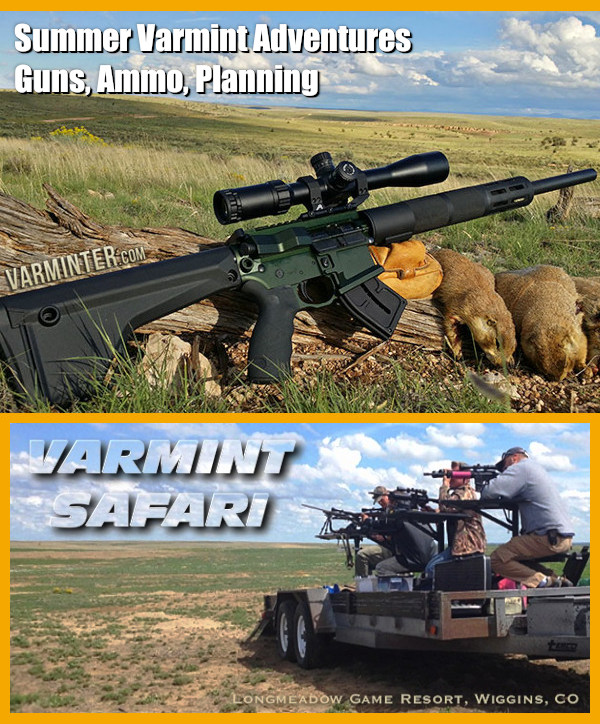
This photo is from a Dan Eigen TV Show video featuring a P-Dog hunt.
Varmint Safari Planning, Equipment, and Shooting Advice
From PatchHound: “The gear you bring will make or break a trip out to Prairie Dog land. A lot has to do with where you going and how far you are from [civilization]. For starters, bring lots of water. It will be hot in Wyoming in a few more weeks but it don’t hurt to bring warm clothes in case it snows. It’s best to wear leather boots unless you’re real good at dodging cactus while walking around. Good sunscreen [and a wide-brimmed hat] will save the day too. [What you need to bring] really depends on whether you’re shooting on some friendly ranch or 100 miles in the middle of [a wilderness area]. Good survival gear is a good thing to have for the latter!”
From Stoner25mkiv: “I’d suggest an adjustable bipod if you are going to do any walking. A laser rangefinder is a huge asset. Have a fanny pack or backpack for extra ammo, water, bore-snake, etc. when you go on your walkabouts. We also take a couple pivoting benches, heavy movers’ pad/blanket, sandbags (Uncle Bud’s Bulls Bag) for shooting from near the vehicle. Boonie hat for blocking the sun, sun glasses, sunscreen. High leather boots.
From CTShooter: “The .204 [Ruger] is a laser beam and good to 400 yards easy. Forget the rimfire! Do you have a portable bench that pivots? Bring bipod, binocs. Bring a LOT of water. I have a milspec sniper shooter’s mat/drag bag with shoulder straps. It is good to carry everything when you want to wander off and shoot prone with bipod. Here’s a view through my 6BR in ND.”
From RJinTexas: “In most of the locations that we’ll be shooting we’ll usually set up a minimum of 200 yards from the edge of a major dog town. We’ll start by working over the close-in dogs and shooting our way out, some of these towns may run in excess of 500/600 yards deep. [A .204 Ruger] will work well out to 300/400 yards unless the wind is blowing hard. We classify a 10-mph crosswind as a very calm day and what makes it a little more challenging is that it is usually also gusting.”
From Wes (P1ZombieKiller): “[For my first PD trip] there are so many things I was not ready for. The one thing that I did bring (that no one told me about) was a canopy. I’m glad I did. Even though the weather was [near perfect], I know that sun can humble you real fast. With my pop-up canopy, I could shoot all day without getting killed by the sun. You had to tie the canopy down real well or the wind would blow it across the pasture.
We sat on shooting benches that pivot 360°, and are fast and easy to set up. Most all shots were 175-250 yards. I just felt comfortable at that range. It was more fun for me to be able to film the hits, and the camcorder I was using just did not get good video past 350 yards. The digital zoom distorted the image too much. I knew I would only get this one chance to film my first P-dog outing, and I wanted to get it on film for [posterity].”
Bring Multiple Rifles on Your Varmint Adventures
On our P-Dog adventures, we like to have multiple rifles — a .17 HMR for close work, then maybe a .20 Practical AR for 150-250 yards, then a larger caliber such as 22 BR, 6BRA, 6 Dasher or 6-6.5×47 for those long shots. The classic .22-250 is also a wickedly effective varmint cartridge.
We like to have a Rimfire varmint rig for the closer shots, inside 150 yards. The .17 HMR or .17 WSM are good choices. With a rimfire you save on ammo costs and you don’t waste precious centerfire barrel life. This video shows a successful Prairie Dog hunt with a .17 HMR. Watch and you’ll see hits out to 160 yards (00:50), proving the effective range of the 17 HMR cartridge. The host is shooting a Savage A17 semi-auto 17 HMR rifle in a Boyds laminated stock.
.17 WSM Rimfire in Franklin Armory F17-L
What’s the ultimate rimfire varmint rifle? An AR chambered for the .17 WSM could be the answer. Eric Mayer of Varminter.com states: “The Franklin Armory F17-L in .17 Winchester Super Magnum (WSM) has a lot of firsts. It is the first semi-automatic rifle in .17 WSM now available to the general public. It is the first gas-piston system, AR-15 rimfire rifle built in partnership between Franklin Armory and Osprey Defense.”
Eric has used the .17 WSM AR shooting ground squirrels, rock squirrels, prairie dogs, and rabbits. Eric notes: “The report of the .17 WSM is nowhere near as loud as most of the centerfire [varmint] cartridges. I found that when I shot the FA-17, it did not cause the other ground squirrels… to run for cover. The lack of recoil … allowed me to see right where I hit [and] if I happened to miss, [low recoil] made for quick corrections for wind, or distance.” READ Full Report
The .17 WSM is a much larger, more powerful round than the .17 HMR. See the size difference above.
.20 Practical (20-223 Rem) AR-Platform Varminter
Here is a .20 Practical built by Robert Whitley. Whitley’s Ultimate Prairie Dog Rifle (PDR) features a 24″ Bartlein 1:11″-twist cut-rifled barrel, DPMS side-charging upper, and a Jewell trigger. It is chambered in 20 Practical, a cartridge popularized by Warren “Fireball” Brookman.
This .20 Practical cartridge is simply the .223 Remington necked down to .204. You can use your existing .223 Rem brass — no special case-forming required! The 20 Practical is accurate, flat-shooting, and has almost no recoil. The advantage over the standard .223 Remington is that, grain for grain, the bullets have a higher BC and travel at a higher velocity for more dramatic effect on a small varmint. The ultra-low recoil allows you to easily see your hits, even without a muzzle brake. The 20 Practical, launching 40-grainers at about 3750 fps, shoots flatter than a .223 Rem with 55gr hollowpoints.
.204 Ruger AR-15 (Suppressed) for Cottontail Rabbit Hunting
As a varmint hunting tool, the .204 Ruger in an AR-15 is a versatile, worthy cartridge/rifle combo for the job. This video covers a cottontail rabbit hunt. The host states that “We were contacted by a farmer who was being slammed with cottontail rabbits eating out huge portions of his alfalfa fields.” This suppressed .204 Ruger AR-15 proved seriously effective on the rabbits, driving high-velocity rounds with impressive accuracy. See more details on the Varminter.com website.
.22 BR Savage Varminter — Accuracy on a Budget
This .22 BR Savage, with upgrades from Sharpshooter Supply, is the “pride and joy” of Forum member Maynard. Note the heavy-contour custom barrel with brake. That .22 BR cartridge is a very effective choice for varmint work, as the ground hog in the photo proves. The .22 BR and .22 Dasher are capable of outstanding accuracy with a large variety of bullets and powders. A .22 Dasher can rival the ballistics of a 6mmBR out to 500+ yards, but with reduced recoil.
Avid varmint hunter Bill White (aka “CT10Ring” in our Forum) concurs about the effectiveness of the .22 BR Cartridge: “.22 BR — My .22 BR is my first choice for most prairie dog missions. Accuracy is superb with necked-down 6mmBR Lapua brass — quarter-MOA and blazing fast. With the right twist rate, this chambering can shoot anything from 40gr FB bullets to 80gr VLDs. Load development is easy. Below is my .22 BR ammo for another varmint trip. I use 55gr Sierra BlitzKings with Varget in my 1:12″-twist Shilen-barreled rifle. 60gr Bergers are very accurate with a fairly flat trajectory for useful distances.”
6mm Dasher for Voldoc’s 2024 Prairie Dog Safari
Respected Forum member Voldoc has a long thread about his 2024 Prairie Dog Safari, his 20th trip of this kind. He reported: “After the 1st day of shooting with 30+ MPH wind, we settled down on a High Point, and set up the Benches the second day for a ‘Shooting Gallery’ of non-stop shooting. PDogs were in play from 125 to 1,000 yards.” Voldoc’s rifle features these components: Nesika J RBRP action, 1:12″-twist Krieger barrel chambered by Mike Bryant for the 6 Dasher, 2 oz. Jewell trigger, Thunder Beast Suppressor, Nightforce ATACR 7-35X FFP optic. He usually shoots 87gr V-Max bullets in annealed Lapua brass pushed to 3240 FPS by Vihtavuori N135 powder. To spot critters, Voldoc uses Vortex Fury 5000 AB Rangefinding Binoculars.
More Power — 6-6.5×47 Lapua for Longer Range Varmint Shots
Soon after Lapua released the 6.5×47 cartridge, wildcatters recognized the potential of a necked-down 6mm version of the case. The 6-6.5×47 has emerged as a great, do-it-all cartridge that performs well in High Power competition, 600- and 1000-yard benchrest, and PRS tactical matches. But the 6-6.5×47 is not just for paper-punching. An efficient cartridge with great inherent accuracy, the 6-6.5×47 can be an excellent, flat-shooting, long-range varmint round. Here we feature Stan Stewart’s BAT-actioned 6-6.5×47 varminter. Fitted with a Krieger 1:10″ barrel, Stan’s rifle excels with a wide variety of varmint bullets. Whether driving 70-grainers at 3700 fps, or pushing the Berger 88gr High-BC FB bullet at 3400 fps, this 6-6.5×47 delivers half-MOA (or better) accuracy, in a well-balanced, easy-handling rifle. He has developed very accurate loads with Varget, Vihtavuori N550, and Reloder 15.
Six Tips for Novice Long Range Varmint Hunters
1. Take twice as much ammo you think you may need. The fields could be particularly rich, or, because of wind or other variables, you may have far more misses than expected.
2. When possible, set up with the wind at your back (or, alternatively, directly ahead). This will minimize the effect of cross-winds. Set up a stake with a ribbon to show wind direction.
3. Bring at least two rifles. Ideally one would be a low-recoil rifle with cheaper components for the closer shots. Then bring a rifle with higher-BC bullets for longer shots where wind is a bigger factor.
4. Check the weather before you head out. Prairie dogs like sunshine and calm conditions. If a cloudy, very blustery day is predicted, considering staying in town and cleaning the rifles.
5. Bring plenty of water on a trip. An adult male should be drinking at least 64 ounces of water (or other liquid) every day — more if it’s very hot or you are sweating a lot.
6. Preferably always hunt with a companion. If you do go out solo, have a Garmin inReach SatComm/GPS for emergencies if there is no cell coverage in your location.
The shooting season is now in full swing. When you head to the range you’ll want to be prepared. That means collecting all the gear you’ll need at the range. It’s easy to forget small, critical items, so we’ve provided a checklist of the small “extras” you should pack before you head out to the range. In addition to rifle, rests, ammo, targets, and cleaning gear, here are a dozen essentials you should include in your range bag.
• Shell-Holder — If you don’t have calipers, you can use a shell-holder to check for excessive case expansion from hot loads. If a fired case doesn’t slip into the shell-holder easily, your load is definitely TOO HOT.
• Extra Earplugs — Always use ear protection when shooting. We bring a 35mm film canister with extra sets of foam earplugs.
• Hex Wrench or Screwdriver for action screws — Action screws can work loose with time. Always bring the appropriate hex wrench or screwdriver whenever you go to the range.
• Small Wrench for Scope Rings — Check the tension of your scope base and ring fasteners before you go. Bring along a small Torx wrench for the ring screws (or other tool that fits your fasteners).
• Normal and Under-sized Jags — It is often wise to use one-caliber undersize jags when applying solvent with cotton patches. You should have a couple sizes in your range kit.
• Extra Batteries — Bring extra batteries for all your electronic gear — which can include chronograph, windmeter, digital camera, GPS etc.
• Small Notebook and Pen or Pencil — Use the notebook to record chron data, log group sizes, and make notes about wind and weather conditions.
• Adhesive dots — Bring a few sheets of adhesive dots (sold at office supply stores). Use small white or black dots as target pasters. Use larger red or orange dots as aiming points (target centers).
• Folding Chair or Camp Stool — This comes in handy if you’re spotting for another shooter, or if you reload away from the firing line.
• Water Bottle — You can’t shoot well if you’re dehydrated. Bring at least two quarts of water with you and keep a bottle at the bench.
• Surveyors’ Tape and Wood Stakes — You can make inexpensive wind indicators using surveyors’ tape attached to the top of wood stakes.
• Small Plastic Ruler — Use this to measure your group sizes. A transparent (see-through) ruler works best. Rulers are also useful for drawing lines on targets.
This list is not intended to be exclusive. There are many other items you may wish to include. Obviously bring safety glasses, and Sharpie-type pens are always handy to mark targets. We invite our readers to add other “essentials” to the list. The important thing is to plan ahead, packing your key items before you drive to the range.
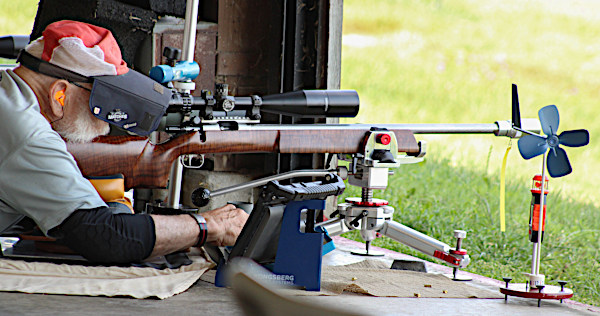
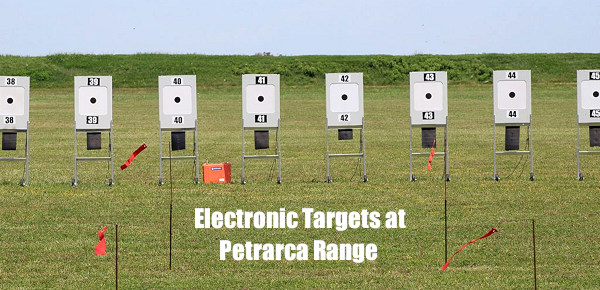
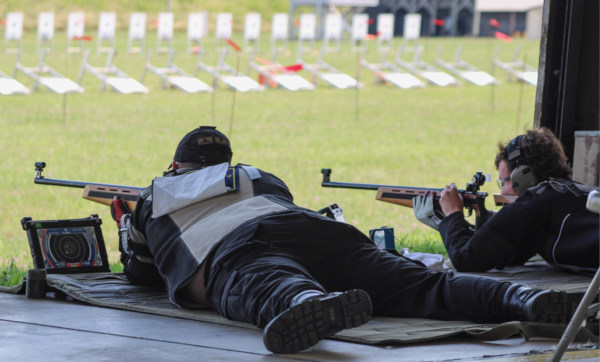
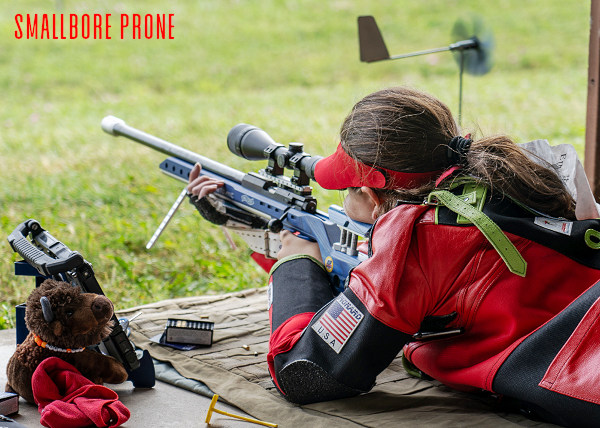
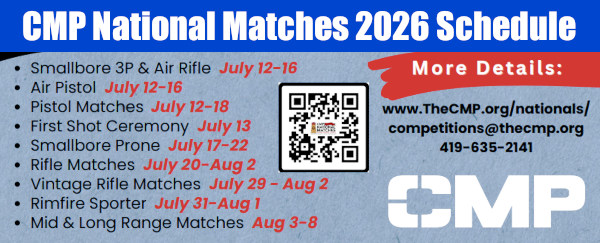
The CMP 2026 National Matches run July 12 through August 8, 2026. Right now the Smallbore Prone Matches are underway, running Friday, July 17 through Wednesday, July 22, 2026. Many of America’s most talented smallbore shooters are competing. Today, the event starts with competitors’ Check-In, Practice, and the initial Prone Metric Dewar Match. The National Smallbore rifle series will utilize electronic targets, which speeds up matches and allows fans to follow scoring in real time.
SCHEDULE
July 17, 2026 – Prone Metric Dewar, Check-in & Practice
July 18-19, 2026 – Prone Iron Sight Championship
July 20, 2026 – Prone Team Match, Prone Elimination Match
July 21-22, 2026 – Prone Any Sight Championship
Camp Perry is a National Guard facility located on the shore of Lake Erie in northern Ohio near Port Clinton. The shooting ranges have been modernized in recent years, with the installation of advanced electronic targets for many disciplines. SEE Full Camp Perry NM Calendar.
Smallbore Rifle
The National Smallbore events will be fired on the same electronic targets as Rimfire Sporter — also setup on Camp Perry’s Petrarca Range. The full match schedule includes three-position and prone events, complete with an F-Class category for interested individuals.
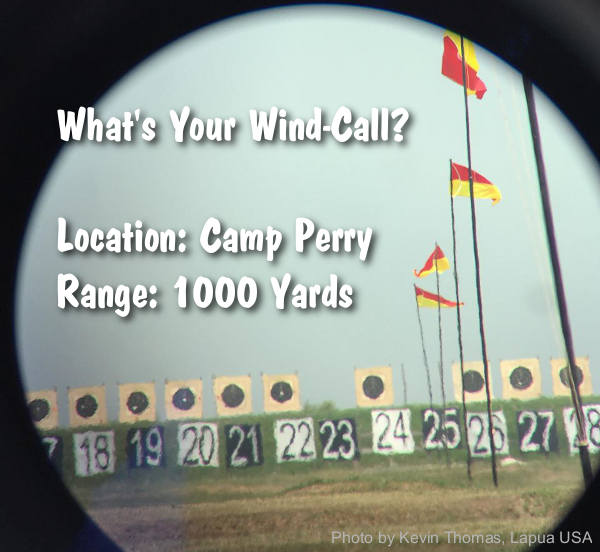
“The pessimist complains about the wind; the optimist expects it to change; the realist adjusts the sails.” — William Arthur Ward
Readers often ask us: “Is there a decent, easy-to-comprehend book that can help my wind-reading?” Many of our Forum members have recommended The Wind Book for Rifle Shooters by Linda Miller and Keith Cunningham.
New Edition — Hardback and eBook
The latest, updated edition of The Wind Book for Rifle Shooters was released in May 2020. This 144-page book, first published in 2007, is a great resource. But you don’t have to take our word for it. If you click this link, you can read book excerpts and decide for yourself. When the Amazon page opens, look below the book cover photo, and click the bar labeled “Read Sample”. This lets you preview chapters from the Wind Book, and view some illustrations. Along with the hardback edition ($22.99), Amazon offers a Kindle (eBook) edition for $14.99.
Other books cover wind reading in a broader discussion of ballistics or long-range shooting, such as Applied Ballistics for Long-Range Shooting by Bryan Litz. But the Miller & Cunningham book is ALL about wind reading from cover to cover, and that is its strength. The book focuses on real world skills that can help you accurately gauge wind angle, wind velocity, and wind cycles.
All other factors being equal, it is your ability to read the wind that will make the most difference in your shooting accuracy. The better you understand the behavior of the wind, the better you will understand the behavior of your bullet. — The Wind Book for Rifle Shooters
The Wind Book for Rifle Shooters covers techniques and tactics used by expert wind-readers. There are numerous charts and illustrations. The authors show you how to put together a simple wind-reading “toolbox” for calculating wind speed, direction, deflection and drift. Then they explain how to use these tools to read flags and mirage, record and interpret your observations, and time your shots to compensate for wind.
I believe this is a must-have book if you are a long-range sport shooter. I compete in F-Class Open and when I first purchased this book and read it from cover to cover, it helped me understand wind reading and making accurate scope corrections. Buy this book, read it, put into practice what it tells you, you will not be disappointed. — P. Janzso
If you have one book for wind reading, this should be it. Whether you’re a novice or experienced wind shooter this book has something for you. It covers how to get wind speed and direction from flags, mirage, and natural phenomenon. In my opinion this is the best book for learning to read wind speed and direction. — Muddler
The following article by Tom Alves describes a very practical approach to physical training for those of us who are not as young and spry as we once were. Tom shows us how to give our bodies at least some of the maintenance we give our rifles. While we all realize that our rifles will outlive us, let’s see if we can’t narrow the margin a bit with some personal maintenance that just might help the shooting too!
This article originally appeared in German Salazar’s Rifleman’s Journal, and appears with permission. Sadly, German passed away in 2022. This was a very sad loss of a distinguished-class marksman and a great shooting sports writer. This Editor counted German as a close friend, who helped this site in many ways.
A Suggested Training Approach for Older Shooters
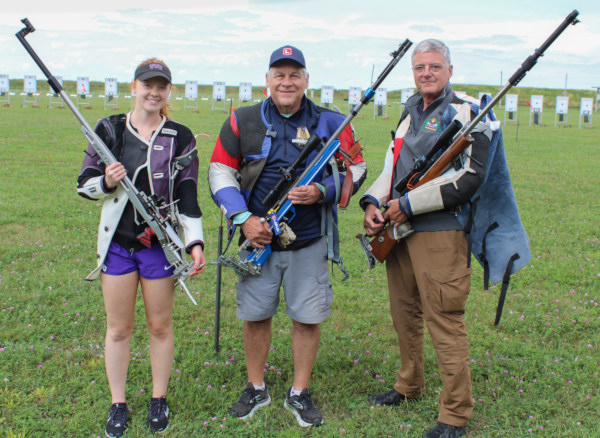
By Tom Alves Most articles and discussions regarding competitive shooting center around equipment. Now and then one will come across an article about physical training such as the USAMU piece on Physical Conditioning for Highpower Shooting. If you break the articles down they often discuss “core strength” and durability. The purpose of this paper is to elaborate on those points with a bit different perspective. Many of the articles you will read in books about position shooting and the one mentioned before are directed more toward the younger generation of shooters in their 20s. If you look down the line at a typical high power match these days you are likely to see quite a few folks who are in their middle 30’s and up. Many people in that age range have had broken bones and wear and tear on their joints so a training program needs to take that into account. For instance, while jogging for an extended period for heart and lung conditioning — often called cardio exercises — may be the recommended approach for younger folks, it may be totally inappropriate for older people. The procedure to repair meniscus tears in knees is one of the most frequently performed operations in this country. Another approach one often sees in training to improve core strength is the use of weight machines which isolate certain muscle groups in their operation. I would like to suggest an alternative approach that not only does not require special equipment but uses the body’s muscles in a coordinated fashion in the same way they are used in our natural movements. So, let’s set down some criteria:
1. The approach has to be low impact to conserve joints.
2. One goal is to improve the strength of the core muscles which are the muscles of our trunk that keep us erect and from where all movements initiate.
3. Along with core strength we need flexibility and full range of motion.
4. We want to improve our lung and heart function so we can have a good flow of oxygen going to our organs and muscles to reduce the rate at which we become fatigued during a competitive event.
Before I continue I believe it is appropriate for the reader to understand that I am a fellow shooter and this is a program I have designed for myself based on considerable reading and experience over a number of years. I am not a medical doctor, a formally trained exercise professional or any other type of specialist in the field. Consequently, this information is offered with the advice that you consult your medical advisor or similar authority before you embark on this or any similar regimen.
I will start with core strength and flexibility. Pilates exercises are resistance exercises that can incorporate the use of resistance bands, light weights and the weight of your body parts in order to strengthen the muscles in the abdomen, back, hips, chest and shoulders. The exercises can be performed alone but I recommend attending classes put on by a certified instructor who will ensure that you perform a balanced routine meaning you work on the front and back and both sides of your trunk. As to flexibility, yoga complements Pilates exercises and they are often taught together. In practical terms yoga strengthens through resistance using the weight of the body and increases flexibility by stretching the various muscle groups in a coordinated fashion. Some yoga exercises also work on balance which is helpful in position shooting and life in general. Again, I suggest attending formal yoga classes since an instructor can help you address such things as a joint misalignment. As an example, my right leg healed improperly after the femur was broken and my right foot splays out putting undue load on my left knee. There are a number of books available on Pilates and yoga and some of them get pretty involved; I leave that to the reader to explore. I will list some reference material at the end of the article that I have found useful.
Finally, heart and lung improvement. In order to exercise the heart and lungs while not abusing the joints, particularly the knees and hips, one has to resort to something other than jogging. Walking, bicycling, elliptical machines and swimming may be alternative methods you’d like to consider. Based on my reading, in order to get the most benefit it is important to exercise so that the pulse rate becomes elevated for periods of time rather than kept at a constant rate. The process I use, called PACE, is promoted by Al Sears, MD, http://www.alsearsmd.com/. It is interval training for the non-athlete. In simple terms one exercises, using whatever equipment one desires, to achieve a heart rate in which you are slightly above your ability to bring enough oxygen into your body to sustain the activity for an extended period. This is similar to wind sprints for a sprinter or a football player. After each episode you must rest until you have achieved recovery, meaning you can catch your breath easily. A series of three sets is recommended which covers a total time of about 20 minutes.
Report from the Author — Yes, Training Helps
As a result of this training program I have experienced increased strength in my legs and trunk, less joint stiffness, lower blood pressure, and lower resting pulse rate. The Pilates/yoga classes are usually attended 2 to 3 times a week and the interval training performed twice a week. [The author was 64 when this was first published. He is now 75, and still shooting Palma and Smallbore prone.]
Before I close I would like to touch briefly on two other related subjects: hydration and visual training. When one is exerting oneself, the body produces perspiration to keep the body’s temperature at an acceptable level. As one perspires the blood gets thicker and the ocular fluid in one’s eyes thickens as well. The heart has to work harder to supply oxygen and nutrients to the body so visual and cognitive functions degrade and fatigue sets in rapidly. Essential chemicals called electrolytes are also carried out of the body with the perspiration. As a result, it is necessary to replace moisture and electrolytes to maintain basic health and a competitive level of performance. If one goes on the Internet there is a multitude of articles on hydration. Due to the kindness of my lead Pilates/yoga instructor, Ms. Annette Garrison, I have a pretty comprehensive article on various aspects of hydration that I have included, http://www.ideafit.com/fitness-library/hyponatremia-other-side-hydration-story , for your information.
Last I want to mention visual performance training. The New Position Rifle Shooting, A How-To Guide for Shooters and Coaches by Bill Pullum and Frank Hanenkrat mentions sports vision training amongst other aspects of vision in competitive shooting. [Used book under $40.00 on Amazon]. If one goes on the Internet you will find training programs directed at golfers, baseball and football players. There is one site that has a demo which, if one looks at it for long, it is obviously very similar to a shooting gallery video game. The training involves rapid recognition and hand-eye coordination. Another source of visual training exercises, along with a wealth of other information, is the book Prone And Long Range Rifle Shooting by Nancy Tompkins.
Hopefully, I have provided some information which will be helpful in improving shooting performance and extending the time you can participate at a competitive level. It is important that you proceed at your own pace. I have pushed myself too hard in the interval training and now have to back off a bit. In closing I would like to thank Annette Garrison and German Salazar for their help, patience and encouragement.
Additional Reference Material
1. Framework by Nicholas A. DiNubile, MD This is required reading for anybody who has suffered an injury like a torn meniscus or has muscular skeletal issues. This is the book that led me to Pilates/yoga
2 P.A.C.E., The Twelve Minute Fitness Revolution by Al Sears, MD The approach I use to interval training. I am sure there are other sources.
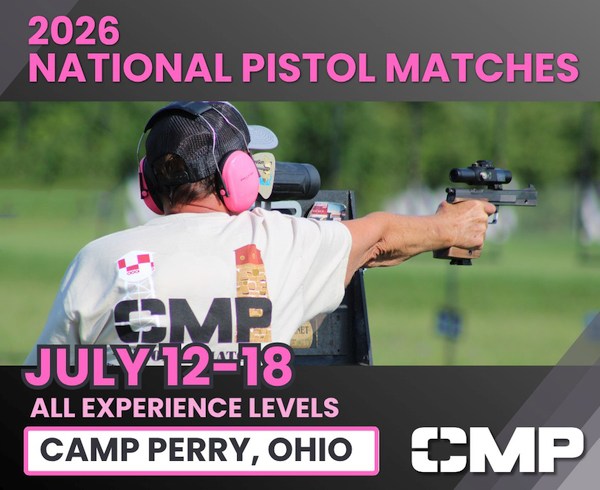
Today, 7/12/26, the 2026 Pistol Competitions officially commenced at the CMP 2026 National Matches at Camp Perry, Ohio. While the rifle competitions get the most coverage, the CMP National Matches also include very popular handgun competitions. Traditional Bullseye pistol shooting can bring nearly a thousand competitors to Camp Perry each summer, as part of the CMP National Championships. For these Camp Perry pistol matches, held July 12-18, 2026, targets are set at 25 and 50 yards. The shooting position is standing and firing one-handed in slow fire, timed fire, and rapid-fire.
Sunday 7/12/26
CMP Pistol Check-In Opens
Military & Police Pistol Match &
1911 As-Issued Pistol Match (PM)
Monday 7/13/26
Pistol Practice (AM & PM)
Small Arms Firing School (Pistol)
SAFS M17 Pistol EIC Match
SAFS/M17 Awards (CMP Headquarters)
Military & Police Pistol Match &
1911 As-Issued Pistol Match
Tuesday 7/14/26
Pistol Warm-Up Match
GSSF Glock National Challenge
Wednesday 7/15/26
CMP .22 Pistol 900 Aggregate
.22 Rimfire Pistol EIC Match
.22 Pistol Team Matches
Thursday 7/16/26
CMP CF Pistol 900 Aggregate
CMP Service Revolver EIC Match
CF Pistol Team Matches
Saturday 7/18/26
President’s 100 Pistol Match
National Trophy Individual Match
National Trophy Team Matches
CMP Shooter’s Reception (CMP Headquarters)
National Trophy Pistol Award Ceremony (Theatre)
Since their inception over a century ago*, the National Matches have become a major shooting sports festival with over 4,500 annual participants. Held at the Camp Perry Nat’l Guard Training Base, the National Matches now include both indoor and outdoor events. Adult and junior athletes are welcome.
Camp Perry Bullseye Pistol Competition
Camp Perry is synonymous with the oldest and most prestigious annual trophy matches in our nation’s history. And in a venue renowned for service rifle matches, the sport of precision pistol is no less important, no less challenging, and no less respected. The National Trophy Pistol Matches is all about traditional handgunning — the stance, the intense concentration, and of course, the one-handed grip. It’s all unmistakable as the game of Bullseye Pistol. Every year there are no fewer than 24 separate match trophies for the top Bullseye Pistol shooters, both military and civilian. And the very best will claim National Match Trophies and receive the President’s 100 Tab.
This video shows .45 ACP centerfire pistol competitors at Camp Perry
Civilians and military shooters competed together at the 2019 NTT Pistol Match.
The 2026 CMP Pistol Matches at Camp Perry include M9 EIC Match, the Pistol Warm-Up Match, the Pistol 2700 Aggregate, Team Matches, GSSF Glock National Challenge, Revolver Match, the CMP National Trophy Pistol Matches, and CMP Pistol Games Matches. To learn more about CMP events at the 2026 National Matches at Camp Perry, visit the CMP Nat’l Matches Website.
* The first National Matches at Camp Perry were held in 1907. SEE: A Short History of Perry and the National Championships by Hap Rocketto.
This content is Copyright 2026 AccurateShooter.com. No reproduction on any other website is authorized. Use of this content without payment of licensing fees is a violation of Federal law.
We enjoy shooting steel targets with rifle, pistols, and shotguns. Hitting a steel target provides instant gratification with a loud “ping” and possible movement. You can shoot small, low-cost reactive steel targets with rimfire guns at short range. Or get the stronger high-grade AR500 steel targets for centerfire shooting at 50 yards and beyond. We’ve enjoyed varmint matches with steel targets placed at 100-yard intervals from 200 to 700 yards.
Action pistol and rifle matches are typically conducted with steel targets, some that spin, and others that may even be set on moving tracks. Dueling trees are another popular type of steel targets. These have multiple plates that swing horizontally from side to side. For long-range rifles, self-resetting targets are popular. These typically have a tombstone-style steel plate set with a spring-loaded base. When hit, the target goes down, but then pops back up again after a few seconds.
Dustin Ellermann’s Steel Target Playground
In this video, popular Top Shot champion Dustin Ellerman shows his entire Steel Target facility with dozens of targets. This range has one of the most diverse collections of steel targets in any single location.
Know Your Limits Portable Steel Targets
Know Your Limits (KYL) target sets typically provide a series of swinging targets of multiple sizes, running from larger to smaller. This provides increasing challenge with each shot. This Guns and Guitars Channel video showcases two portable KYL target sets you can easily transport in your car/truck. The host states: “I love how portable and easy to set up it is, I love how many targets you get… and most importantly, I love that Shooting Targets 7 offer the best price for AR500 steel targets on the internet.”
Ten Good Steel Target Offerings — Product Reviews
This 8-minute video shows steel targets in various sizes from multiple vendors/manufacturers. This is a good starter video if you are looking to purchase your first steel targets. The video covers a wide selection of shapes, sizes, and metal ratings. In order, the featured steel targets and target accessories are:
Highwild 6″ x 3/8″ Steel Target Set
Hotop Shooting Target Pipe Hang Hooks
Do-All Outdoors Steel Shooting Target
HD Targets AR500 Steel Shooting Targets
Do-All Outdoors Steel Auto-Reset Spinner Target
Do-It-Yourself REBAR Target Stands — Very Low Cost
This Guns and Guitars Channel Video shows how to make making the CHEAP and sturdy target stands from REBAR. The host says: “These things are basically bullet-proof and would probably stand up against a charging rhino. You can build these stands using a 10-foot length of 1/2″ rebar from your local hardware store. Bending it is not super easy, but it can be done without a rebar bender, just watch the video!”
If you are thinking of crafting your own target, you may also want to watch a good Tactical Rifleman channel video about building a range on your own property. The host notes: “There is so much more to it than just pushing up a berm and buying some steel targets. Med plan, legal restrictions, drainage, targetry, and 50 other things should be planned out BEFORE you start digging. CLICK HERE for “How to Build Make Your Own Shooting Range” video.
Steel Target Arrangements for Action Shooting Matches
This video from Tactical Hyve shows a variety of steel targets used in action shooting scenarios. The host is a knowledgeable gear analyst and a very good shooter. If you are looking to get started in action pistol disciplines this is a good video to watch.
Steel Target and Target Stand Varieties
This video reviews the key features and functions of a variety of steel targets — from large torso silhouettes to reactive dueling trees. The video also reviews various target stands and supports. This is worth watching if you are considering buying steel targets for your shooting club or home range.
Shooting Steel Targets Safely — Tips from Hickok45
In this video, YouTube host Hickok45 offers valuable safety tips on shooting steel targets, based on his 30+ years of steel shooting experience. This guy knows his stuff — as proven by the fact that he now has over 7.6 million subscribers to his Hickok45 YouTube channel.
TOP SHOT: The steel targets in the top photo are part of the extensive facility operated by Big Daddy Hoffman 1911. See more on his popular YouTube Channel, now with 315,000 subscribers.
If there is a single CMP event at Camp Perry every summer that offers the highest level of shooter satisfaction, the most diverse group of competitors, and the lowest cost of entry, that would have to be the annual National Rimfire Sporter Match. This year’s match will be held Saturday, August 1, 2026 at Camp Perry. There will also be a rimfire Training Clinic on the afternoon of July 31st.
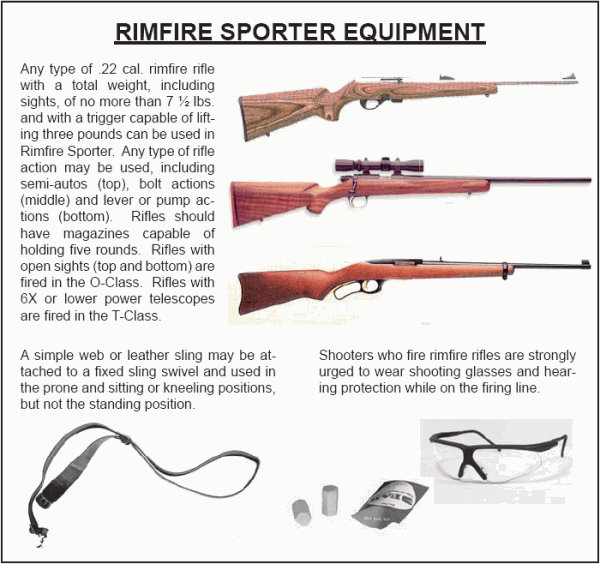
Each year, the Rimfire Sporter Match attracts hundreds of shooters to the shore of Lake Erie at Camp Perry. The CMP National Rimfire Sporter Rifle Match offers shooters a recreation-oriented competition where they use affordable, smallbore sporter rifles with either scopes or iron sights. All you need are a .22 LR rifle, sling, and ammo.
Rifles may be manually operated or semi-automatic, in four classes: the standard “O Class” for open-sight and iron-sight rifles, “T-Class” for rifles equipped with telescopic sights or rear aperture sights, “TU-Class” (Tactical/Unlimited) for tactical-style rimfire rifles and customized target rifles, and “M-Class” (Military Trainer) for vintage military rimfire training rifles that exceed the 7.5-pound weight limit.* Firing is done at 50 and 25 yards on a target with a 1.78″ ten-ring. The target is simple enough for a beginner to hit, yet challenging enough that only one competitor in the history of the match has ever fired a perfect 600 score. Here’s the young man who did that, Samuel Payne:
NOTE: Along with the three (3) classes shown above there is a new “M-Class” for vintage military rimfire rifles that exceed the 7.5-lb weight limit for the other classes.
Getting Ready for the 2026 Rimfire Sporter Match
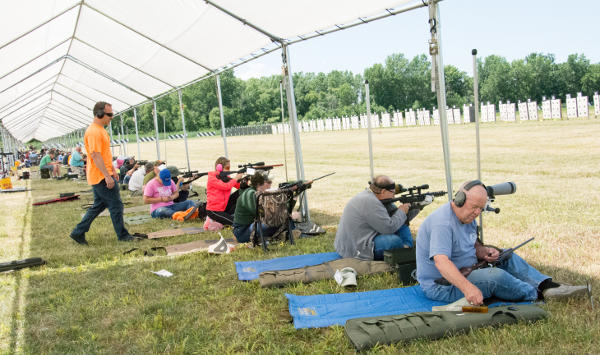
Preparing for the Match: You need to bring your own .22 cal. Rimfire rifle(s) and ammunition. Special target shooting equipment, shooting jackets, or shooting gloves are not permitted, but feel free to bring a spotting telescope and ground cloth or shooting mat. You will be shooting on a grass firing point. Competitors are strongly urged to you wear hearing and eye protection.
A free Shooters’ Clinic will be held Friday, July 31st. The Clinic covers Rimfire Sporter rules, safety instructions, course of fire, and competition procedures. The Clinic will also demonstrate the firing positions, use of the sling, as well as slow and rapid-fire techniques. Shooters who have not previously attended a CMP Rimfire Sporter Match are strongly encouraged to attend.
Rimfire Sporter Course of Fire
Competitors will complete slow fire prone, rapid fire prone, slow fire sitting or kneeling, rapid fire sitting or kneeling, slow fire standing, and rapid fire standing shot sequences. To learn more about the National Rimfire Sporter Match, CLICK HERE.
Three different classifications of rifles can be used in Rimfire Sporter competition: “O Class” for open-sighted rifles, “T Class” for telescope-sighted rifles, “Tactical Rimfire” class, and recently-added “M-Class”. Awards are offered to High Juniors, High Seniors, High Women as well as Overall winners are named for each class.
* The M-Class was added as an “optional” Rimfire Sporter Rifle category in 2024. This rule was intended to allow rimfire military training rifles sold by the CMP to be used in a special Rimfire Sporter category where the 7.5 lb. weight limit does not apply. The intent was to give owners of these rifles opportunities to use them in CMP competitions. Recently, issues have come up regarding the wide range of rimfire rifles that the CMP acquired from government sources and subsequently sold to U. S. citizens. To answer those concerns the M-Class Rule (G9.2.1 d) has been amended to now read: “Match sponsors have the option of including an M-Class for rimfire rifles that were acquired by the U. S. Government for various purposes and subsequently sold by the CMP to U. S. citizens for their private use. Rimfire rifles eligible for inclusion in the M-Class must be repeater rifles suitable for use in firing the 60-shot Rimfire Sporter Rifle course of fire. There is no weight limit for rifles in this class (Rule 9.2.3), but they must have a minimum trigger pull of 3.0 lbs. (Rule 9.2.5) and aperture sights (Rule 9.2.6 d). The rule will be interpreted to allow any rimfire repeater rifle sold by the CMP that is suitable for Rimfire Sporter shooting will be accepted in this class. Note that M-Class rifles must have aperture receiver sights.”
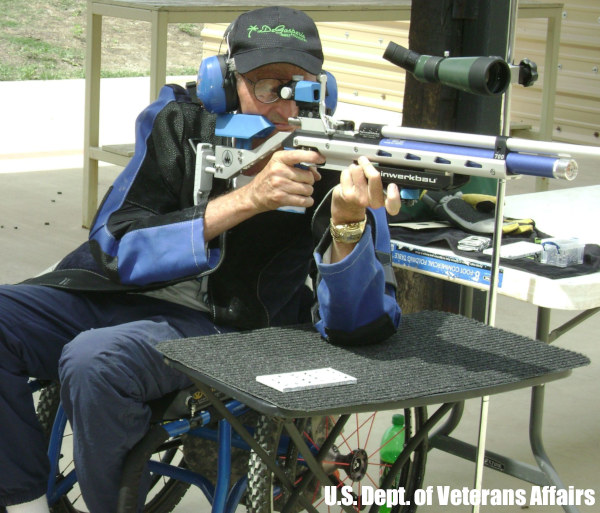
One of the great thing about shooting is that marksmanship is one of the few sports where physically-challenged persons can compete at the highest level — with some provisions for wheelchair access and mobility. For example, in the world of F-Class competition, Matt Schwartzkopf is one of the best in the nation. Matt, a rangemaster at Ben Avery in Arizona, is a double amputee (below the knee). He hasn’t let that challenge stop him. He has been a Top-10 finisher at major F-Class matches, and was chosen to shoot with F-TR Team USA.
F-TR Team USA member Matt Schwartzkopf is a double amputee below the knee, having had his lower legs removed due to a birth defect. That hasn’t held him back. Matt is an inspiration to us all. He told us: “This condition has not held me back from anything.” Jokingly, he added, “I may not have ‘a leg to stand on’, but that doesn’t mean I can’t still shoot 10s and Xs at 1000.” Matt is living proof that competitive shooting is a sport for all individuals — young and old, able-bodied and physically challenged.
Matt isn’t just a talented shooter — he runs range operations at Ben Avery in Arizona. During a major match, Matt can be seen supervising the firing line, organizing pit crews, and posting match results.
New USA Nationwide Adventure Database for Adaptive Shooters
Here’s a great new opportunity for shooters and sportsmen with physical limitations. The NRA has created a nationwide database of hunting and fishing adventures for individuals with disabilities. There are programs throughout the country with 45+ organizations such as Buckmasters, Freedom Hunters, Hope Outdoors, Hunting with Heroes, and Safari Club International.
“Venturing into the outdoors has long been acknowledged as healing for the body and soul”, said NRA National Adaptive Shooting Programs Manager Dr. Joe Logar, PT, DPT. “These benefits can be even more profound for someone experiencing an illness, injury, or disability.”
NRA’s Hunter Services and Adaptive Shooting Programs have maintained a list of organizations offering people with disabilities outdoor opportunities. Now available in a searchable database, any adaptive shooter can easily choose from adventures such as guided whitetail hunts, chartered fishing trips, and accessible hiking trails anywhere across the country. To find a program, visit the NRA Adaptive Shooting Program’s Hunting/Fishing Trip Database.
NRA Resources for Adaptive Shooting Events
The NRA Adaptive Shooting Program also provides information for organizations planning an event to include person with disabilities. Events may be organized by veterans’ groups, rehabilitation facilities, and gun clubs. For more information visit AdaptiveShooting.NRA.org.
Adaptive Shooting Programs in the United Kingdom
Across the pond, the National Rifle Association of the United Kingdom (NRAUK) also has adaptive shooting programs. The NRA.ORG.UK website has a wealth of information for shooters with physical challenges.
The NRAUK states: “There are many different types of target shooting available for people to try in Great Britain. Some of them are readily accessible to disabled people, others less so. Also, shooting clubs and facilities do not all cater for every discipline; some only offer one, whilst larger complexes can cater for many of them. The only place in the country where almost all disciplines can be tried is Bisley Camp in Surrey. Access to the outdoor ranges is being improved all the time, although most are already accessible.
If the disciplines that you particularly fancy are not suitable for your type of disability at the moment, or are not currently available in your area, do not give up hope! The key skills for target shooting are very similar for all disciplines, so you could start with a different but similar option, learn those key skills, and take up your first choice when it is available to you.”
Making Ranges Suitable for Disabled Shooters
The Summer 2019 issue of NRA Club Connections magazine has a feature on Adaptive Shooting. This article explains how range owners can make their lines of fire more accessible with the addition of a simple mat.




 From Wes (P1ZombieKiller): “[For my first PD trip] there are so many things I was not ready for. The one thing that I did bring (that no one told me about) was a canopy. I’m glad I did. Even though the weather was [near perfect], I know that sun can humble you real fast. With my pop-up canopy, I could shoot all day without getting killed by the sun. You had to tie the canopy down real well or the wind would blow it across the pasture.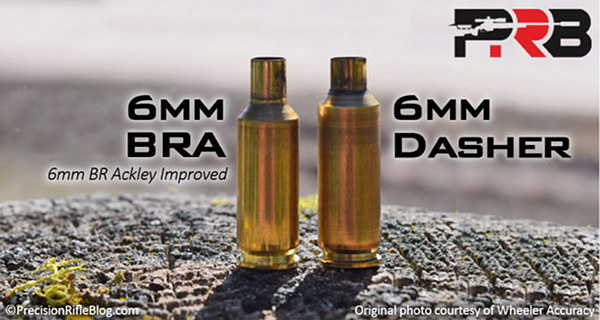


 Respected Forum member Voldoc has a long thread about his


 The shooting season is now in full swing. When you head to the range you’ll want to be prepared. That means collecting all the gear you’ll need at the range. It’s easy to forget small, critical items, so we’ve provided a checklist of the small “extras” you should pack before you head out to the range. In addition to rifle, rests, ammo, targets, and cleaning gear, here are a dozen essentials you should include in your range bag.
 • Shell-Holder — If you don’t have calipers, you can use a shell-holder to check for excessive case expansion from hot loads. If a fired case doesn’t slip into the shell-holder easily, your load is definitely TOO HOT.
 • Hex Wrench or Screwdriver for action screws — Action screws can work loose with time. Always bring the appropriate hex wrench or screwdriver whenever you go to the range.
 • Extra Batteries — Bring extra batteries for all your electronic gear — which can include chronograph, windmeter, digital camera, GPS etc.
 • Folding Chair or Camp Stool — This comes in handy if you’re spotting for another shooter, or if you reload away from the firing line.
 • Small Plastic Ruler — Use this to measure your group sizes. A transparent (see-through) ruler works best. Rulers are also useful for drawing lines on targets.



 Most articles and discussions regarding competitive shooting center around equipment. Now and then one will come across an article about physical training such as the USAMU piece on
 Last I want to mention visual performance training. The






 F-TR Team USA member Matt Schwartzkopf is a double amputee below the knee, having had his lower legs removed due to a birth defect. That hasn’t held him back. Matt is an inspiration to us all. He told us: “This condition has not held me back from anything.” Jokingly, he added, “I may not have ‘a leg to stand on’, but that doesn’t mean I can’t still shoot 10s and Xs at 1000.” Matt is living proof that competitive shooting is a sport for all individuals — young and old, able-bodied and physically challenged.